Guide walkthrough
Start reading here
This is the main article body, where the page shifts from summary cards into the actual workflow and decision-making notes.
On this page
Start by asking what proof the page actually gives you
A trustworthy indicator page should usually give you more than a title and a button. Look for screenshots, install notes, platform clarity, update visibility, and some sign that the workflow has been explained by someone who understands what the tool is for.
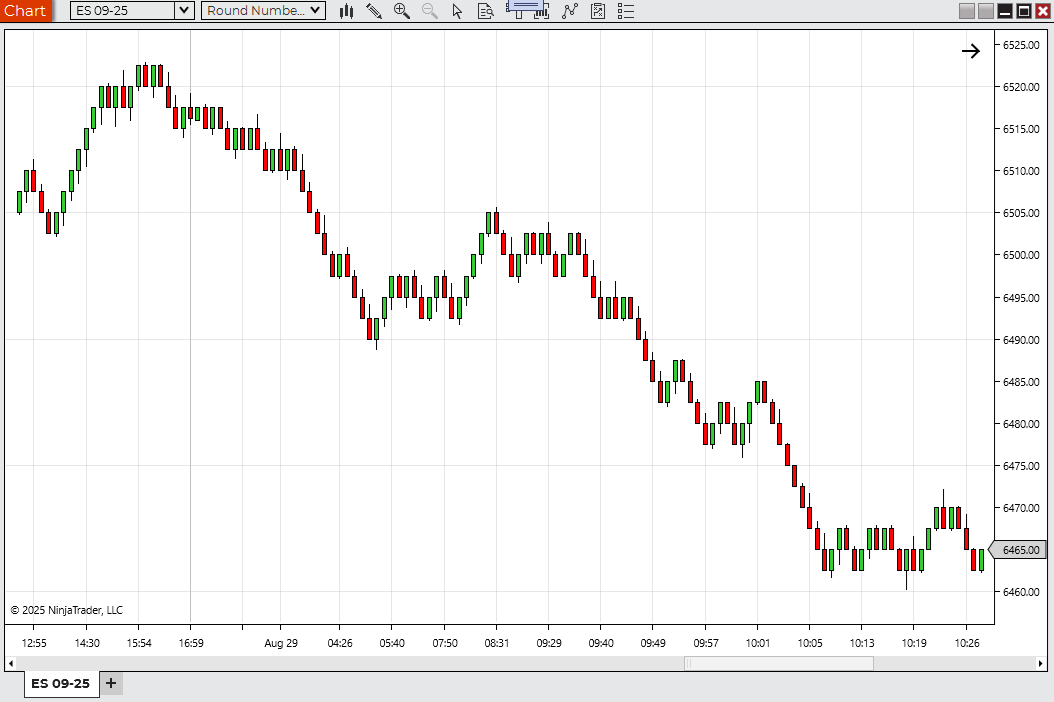
- Screenshots show the tool in an actual chart context.
- Install notes reveal whether the page expects a real import path.
- Platform coverage helps you avoid guessing whether the page matches your setup.
Distinguish between a download page, a source page, and a reference page
A lot of confusion comes from treating all indicator pages like install-ready software. Some pages are real downloads, some are source-backed references, and some are useful explainers without a posted file. They can all be valuable, but they deserve different levels of trust and different next steps.
- Download pages are for install decisions.
- Source pages are strong for inspection, comparison, or conversion.
- Reference pages are stronger for learning than for immediate importing.
Use page quality to decide whether the next step is install, test, or walk away
If the page has a file, screenshot, and clear notes, a simulator test probably makes sense. If the page only has a vague description, the better next step might be finding a stronger source or using it only as a concept page. That is still a useful decision because it keeps low-proof pages from driving high-trust behavior.
- Good proof usually earns a simulator test, not blind trust.
- Weak proof usually earns more skepticism or a different page choice.
- That is exactly how the checklist should work.
Trust gets stronger when several signals line up at once
The strongest pages are the ones where several proof signals point the same way: a real file, a screenshot, source visibility, update recency, and enough explanation to understand the job the tool is doing. That kind of alignment is usually more meaningful than any one signal by itself.
- One strong signal helps, but several together are better.
- That is what makes a page feel reliable instead of merely plausible.
- It also makes the next click feel safer.
The goal is not perfect certainty, just a better first filter
This kind of page check is not supposed to prove that an indicator is excellent before it ever touches a chart. It is supposed to help you separate pages that deserve a simulator test from pages that still feel too vague, too thin, or too unsupported. That is a much more useful standard because it matches how traders actually evaluate new tools in the real world.
- You do not need total certainty to make a good first decision.
- You do need enough proof to justify the next step responsibly.
- That is why this checklist works best as a filter instead of a guarantee.
Best next reads
These pages pick up the questions most readers usually have next, so you do not have to back out and start a fresh search.
Frequently asked questions
What is the fastest trust check for a free indicator page?
Look for a real file or clear source path, a chart screenshot, platform-specific notes, and a recent update date. If those are missing, the page usually deserves more caution.
Should I avoid reference-only indicator pages?
Not necessarily. They can still be useful for learning or comparison, but they should not be treated like install-ready product pages when the proof is lighter.
When is there enough proof to move from reading to testing?
Usually when the page shows a real file or clear source path, chart evidence, platform-specific context, and enough explanation that you know what the indicator is supposed to help you do. At that point, a simulator or clean-chart test usually makes sense.