Guide walkthrough
Start reading here
This is the main article body, where the page shifts from summary cards into the actual workflow and decision-making notes.
On this page
Key terms for this guide
These glossary pages cover the ideas and platform language most likely to matter as you work through this guide.
Session VWAP gives day traders a fair-value anchor
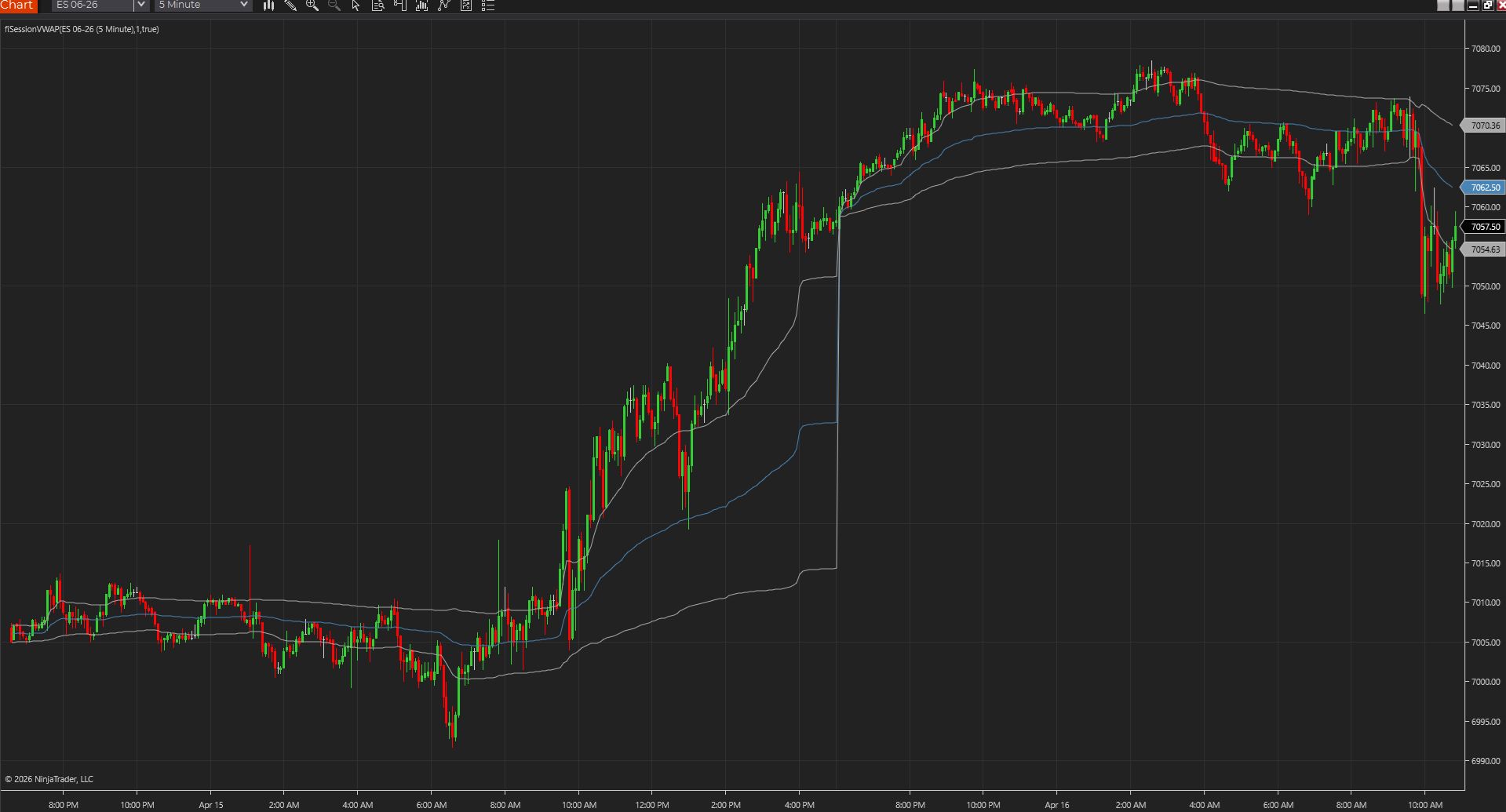
For day trading, session VWAP is useful because it tells you whether price is trading above or below the session's developing average. That makes it valuable for both bias and location.
It becomes stronger with session context around it
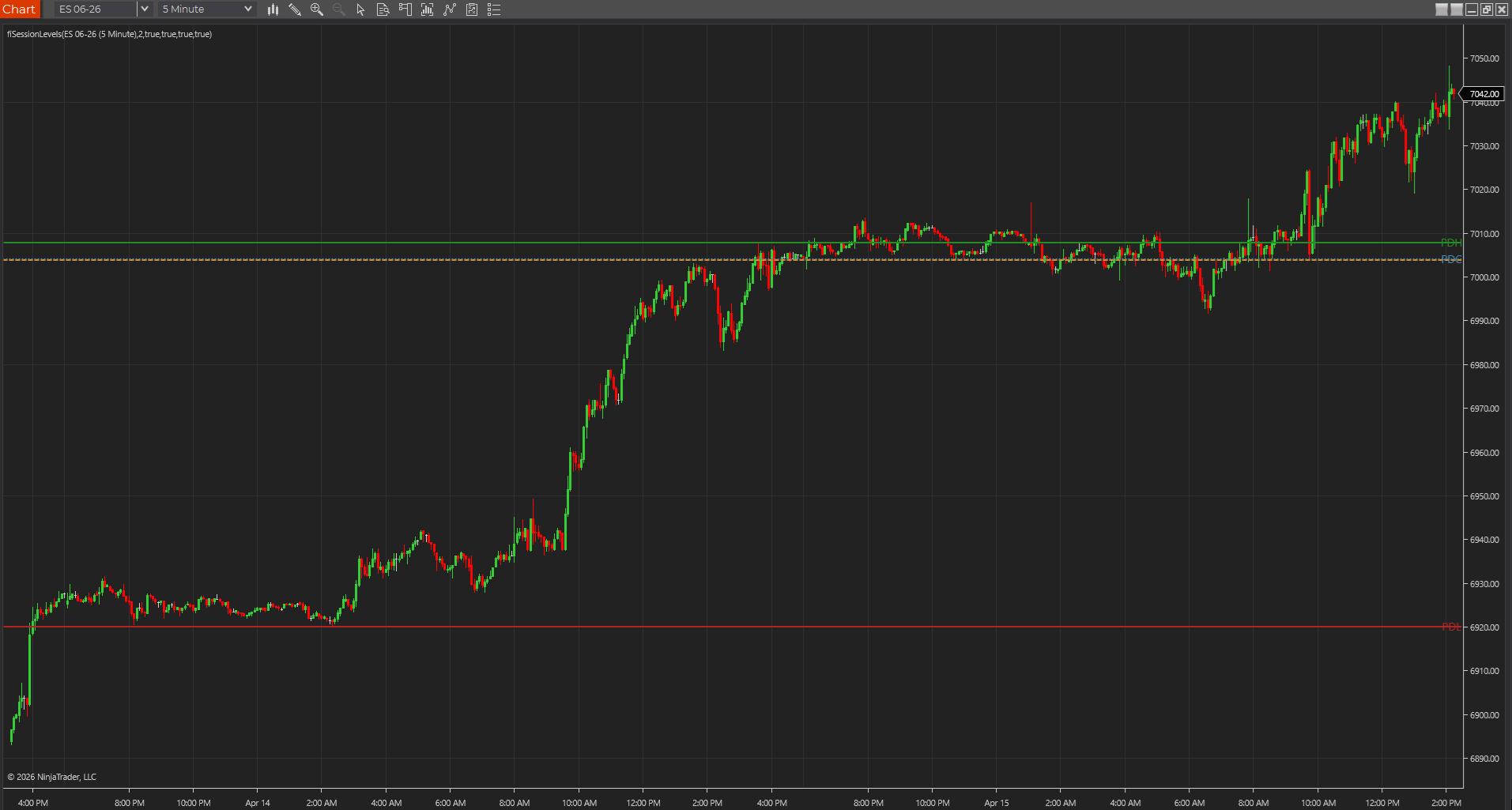
A VWAP reclaim near a prior-session low or opening range edge matters more than the same reclaim in empty space. The rest of the chart explains whether the VWAP interaction is meaningful.
Participation still decides how much weight to give it
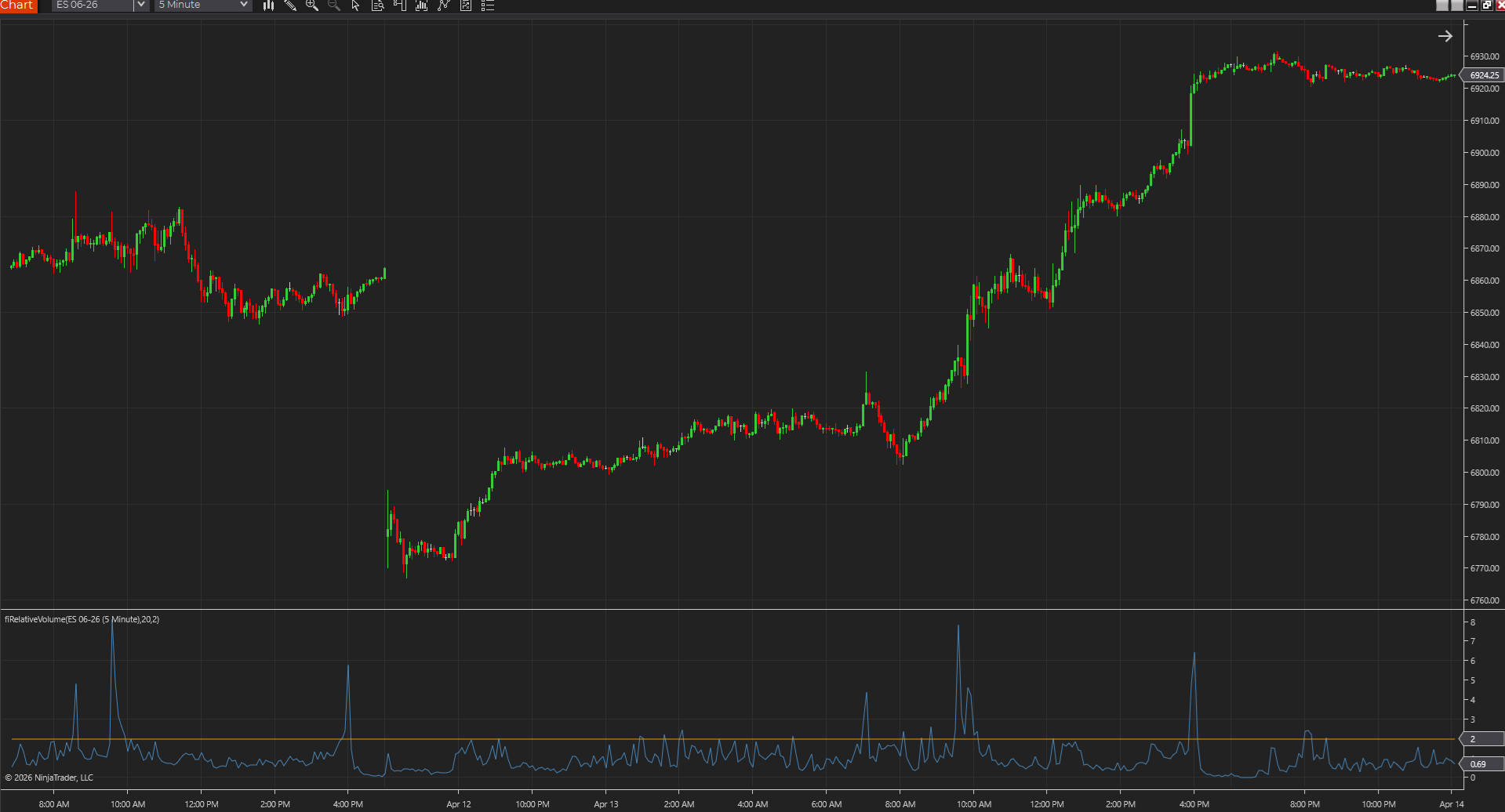
A VWAP-based workflow gets better when you also know whether the move is happening with believable activity. That is where relative volume or a simple volume spike study helps.
Use the session reset that matches the market you trade
The best day-trading VWAP is the one that matches the session you actually care about. A regular-session approach is usually the cleanest starting point for intraday futures and equities workflows.
Best next reads
These pages pick up the questions most readers usually have next, so you do not have to back out and start a fresh search.