Guide walkthrough
Start reading here
This is the main article body, where the page shifts from summary cards into the actual workflow and decision-making notes.
On this page
Key terms for this guide
These glossary pages cover the ideas and platform language most likely to matter as you work through this guide.
Beginners need orientation tools more than clever tools
Most beginner futures traders do not need an indicator that promises to predict the move. They need orientation: where the session starts, where price location matters, and whether the market is actually behaving directionally enough to justify a trend idea.
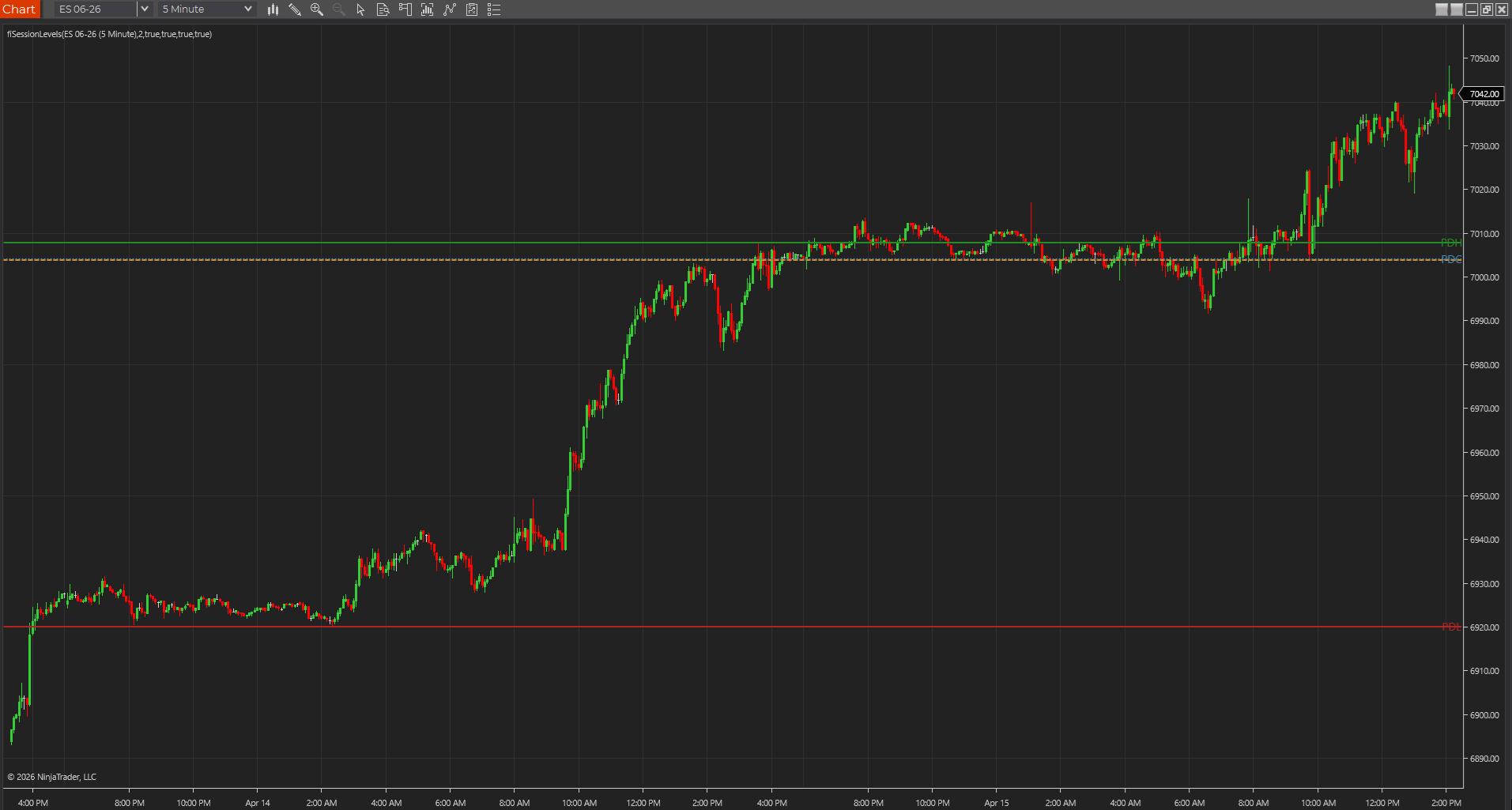
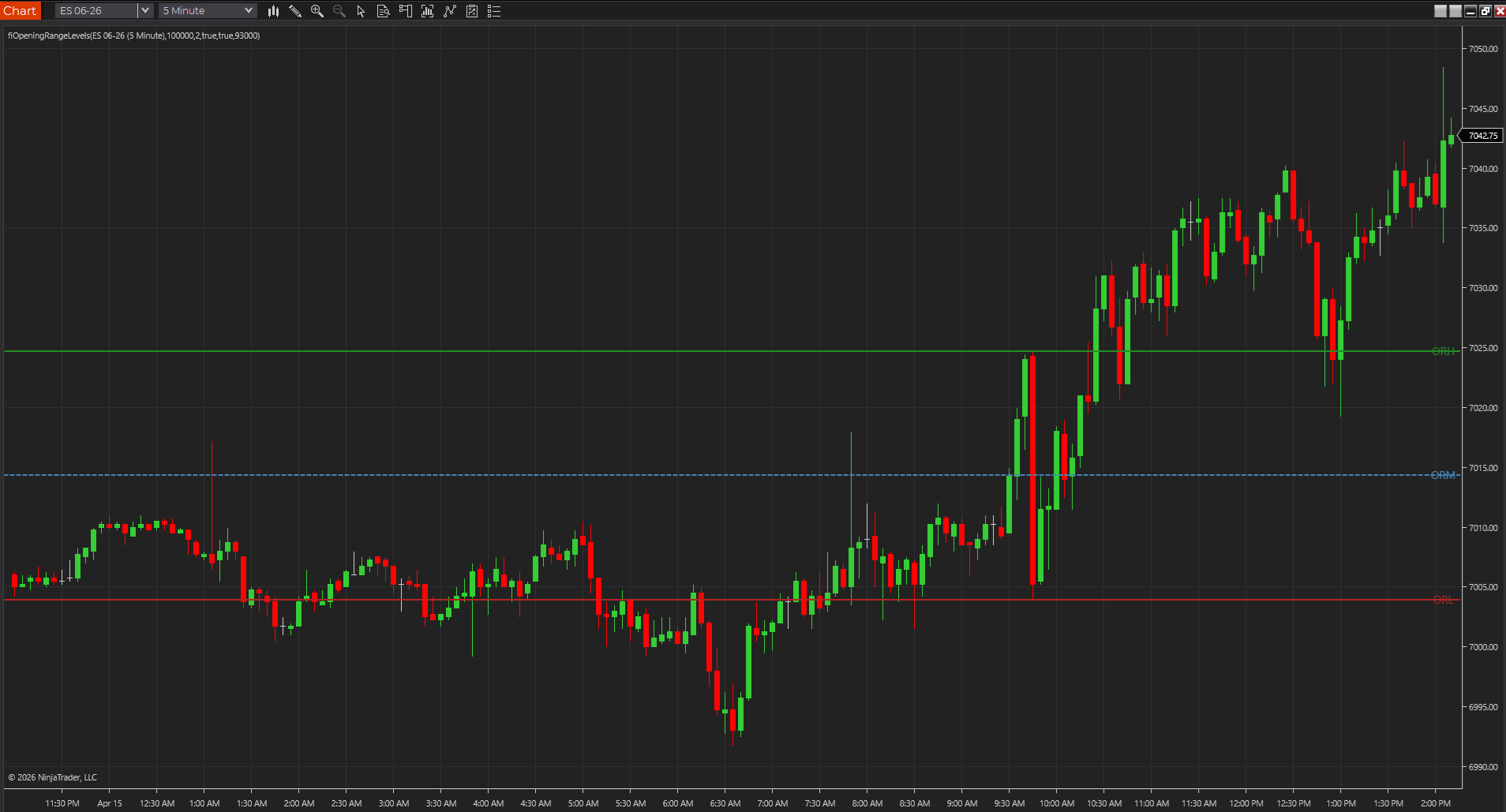
- Session and opening-range tools create structure.
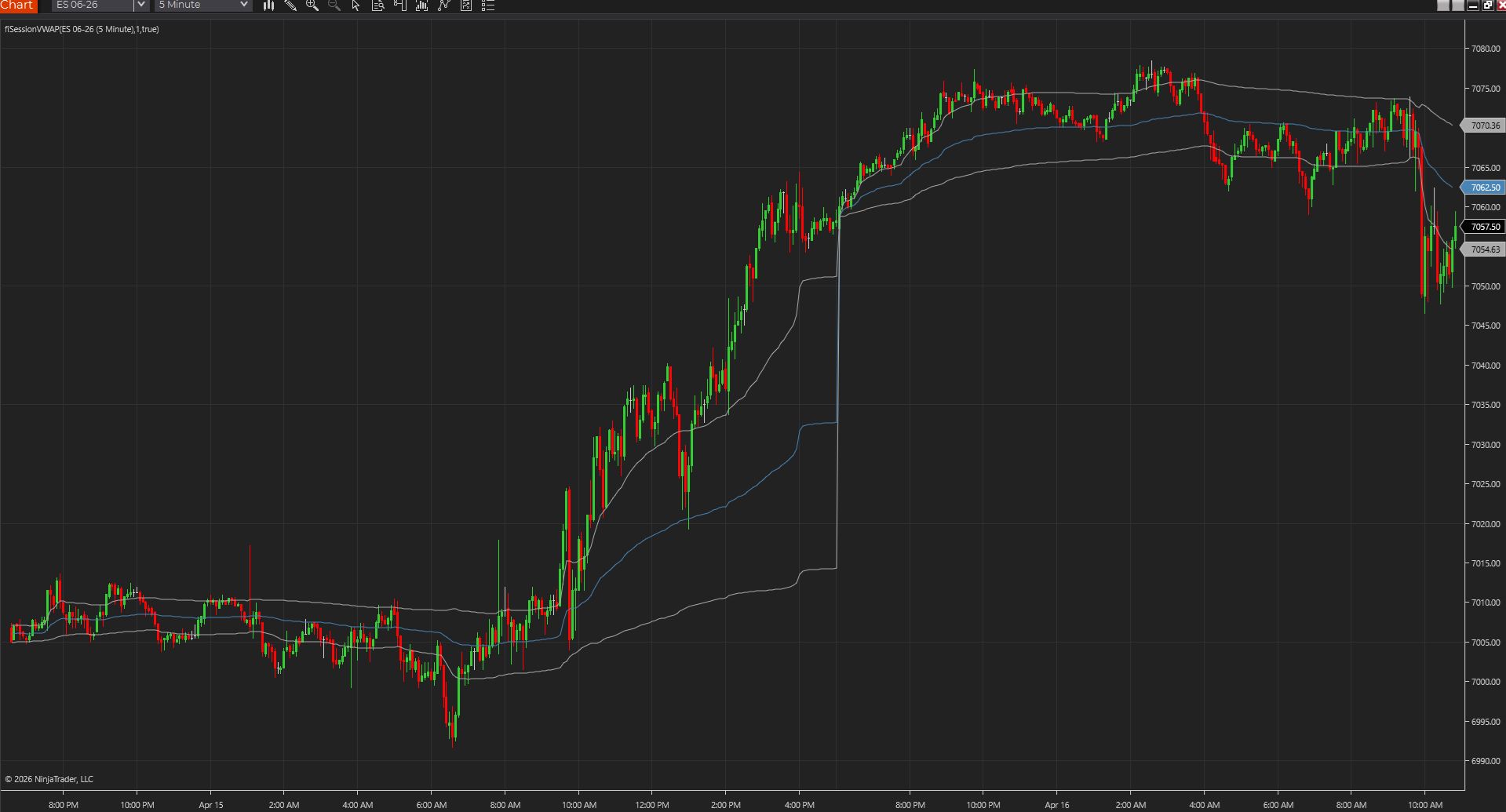
- VWAP-style tools create context.
- Trend and pullback tools make more sense after structure is clear.
Use one tool for location, one for trend, and stop there
A beginner futures chart usually improves when the workflow stays narrow. One location tool and one trend or confirmation tool is often enough to help the trader understand what the market is doing without drowning the screen in competing signals.
- Opening range or session levels can define the map.
- A trend ribbon or structure tool can define the directional bias.
- Anything beyond that should be justified carefully.
Futures indicators should help with discipline, not excitement
The strongest beginner indicator is often the one that helps you trade less impulsively. That may sound less exciting than a setup marker or momentum gadget, but it is much more valuable if the goal is to survive the learning curve.
- A tool that keeps you from forcing trades is a real advantage.
- A tool that creates more urgency than clarity is usually not helping.
- That is why level and context indicators matter so much early on.
Use beginner indicator pages as workflow pages
The point of a beginner guide is not to create a shopping list of indicators. It is to help the trader build a repeatable first chart setup. That is why these pages work best when they also point into the platform, install, and comparison guides around them.
- The site should help the reader install the right tool, not all the tools.
- The next useful step is usually platform fit or testing, not another indicator search.
- That makes the beginner guide part of a bigger learning path.
Best next reads
These pages pick up the questions most readers usually have next, so you do not have to back out and start a fresh search.
Frequently asked questions
What should a beginner futures trader start with?
Usually one location tool such as session levels or VWAP, plus one simple trend or structure tool, is enough for a strong first chart.
Do beginner futures traders need lots of indicators?
Usually no. Too many indicators often make the chart harder to trust, not easier.