Guide walkthrough
Start reading here
This is the main article body, where the page shifts from summary cards into the actual workflow and decision-making notes.
On this page
Key terms for this guide
These glossary pages cover the ideas and platform language most likely to matter as you work through this guide.
Start with one question the indicator is supposed to help answer
Replay sessions get noisy when the goal is too broad. A better test starts with one concrete question: does this tool improve breakout confirmation, sharpen location, or keep stop placement more realistic? Once that is defined, it becomes much easier to judge whether the indicator is actually helping.
- Test one behavior before you test the whole workflow.
- Write down what a useful signal would look like before you start replay.
- Ignore cosmetic impressions that do not change a decision.
Respect confirmation timing
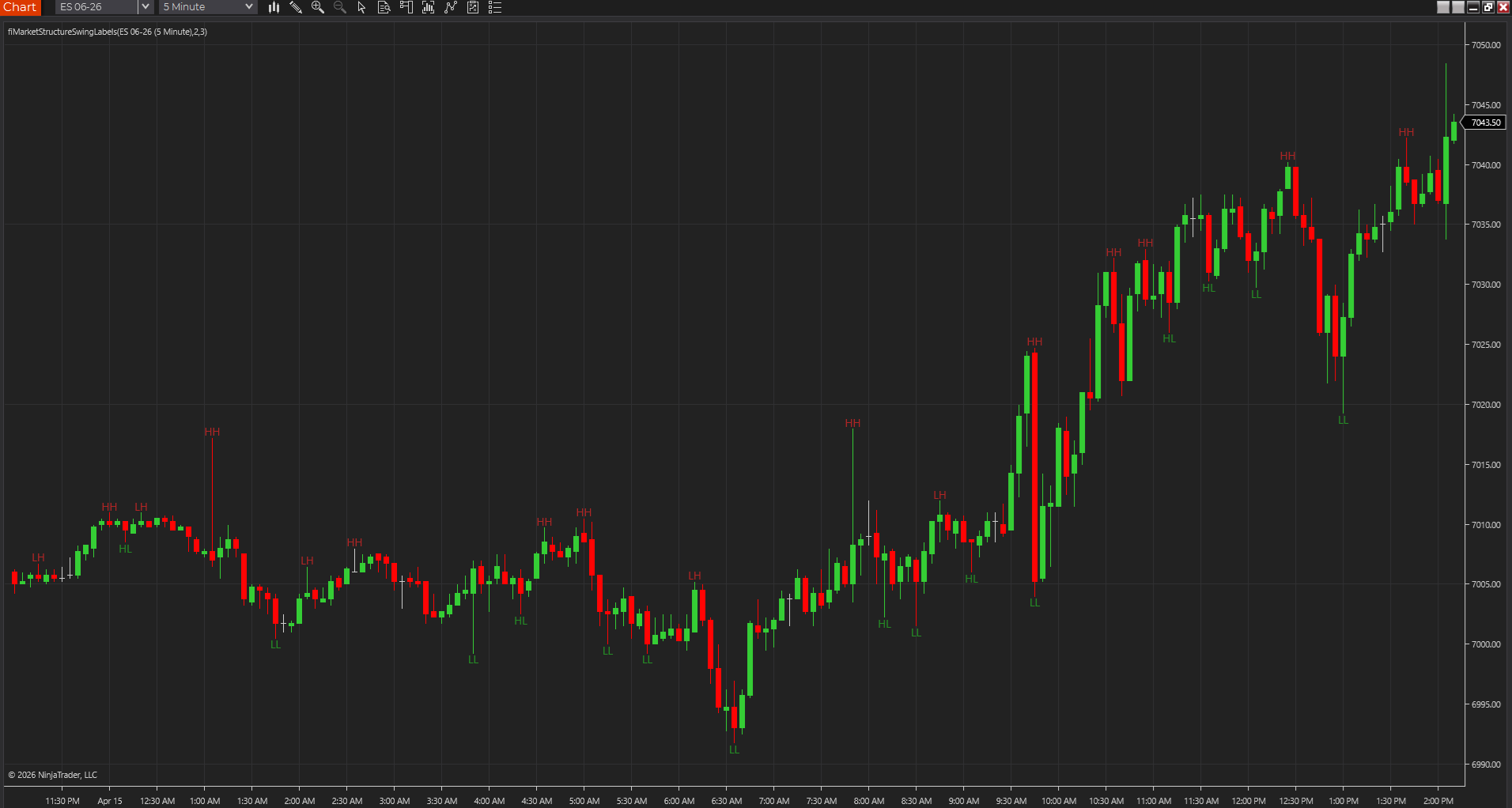
A lot of replay errors come from giving the indicator information it would not have had in real time. Swing labels, repaint-sensitive markers, and anything that confirms on bar close should be judged only when that confirmation would actually exist.
- Pause the replay at the moment the decision would have been made.
- Do not let completed bars rewrite the quality of the earlier signal.
- If confirmation arrives late, that is part of the tool's real behavior.
Keep the replay environment boring on purpose
Good replay testing is usually simple, repetitive, and a little boring. Use the same chart type, the same session view, and the same baseline tools for multiple sessions so the indicator has to prove it adds something beyond novelty.
- Change one variable at a time.
- Keep notes on where the indicator helped, hurt, or stayed neutral.
- Several average sessions usually teach more than one dramatic day.
Judge whether the tool improves decisions, not whether it ever looks smart
Almost every indicator will look brilliant on some replay segments. The useful question is whether it improves the consistency of your actual decisions often enough to earn permanent chart space. That standard is much harder to fake, which is why it is worth using.
- Look for cleaner decisions, not just occasional perfect signals.
- A tool that saves one mistake repeatedly can be more useful than one that predicts a few great entries.
- Replay is strongest when it helps you remove weak tools as confidently as you add strong ones.
A replay session should feel a little restrictive if you are doing it honestly
This is a useful gut check because honest replay testing is not supposed to feel like free chart browsing. You should be limiting what you can see, pausing where the real decision would happen, and forcing yourself to judge the tool on the information that actually existed in that moment. If the replay feels too comfortable, there is a decent chance hindsight has started creeping in.
- Restrictions are part of what make replay results believable.
- The goal is to recreate decision pressure, not just revisit interesting charts.
- That is usually where weak indicators start to reveal themselves.
Best next reads
These pages pick up the questions most readers usually have next, so you do not have to back out and start a fresh search.
Frequently asked questions
How many replay sessions should an indicator survive before I trust it more?
There is no magic number, but several normal sessions are better than one spectacular one. The goal is repeated usefulness, not one impressive highlight.
Can market replay reveal repainting or delayed confirmation issues?
Yes. Replay is one of the best ways to see when a signal actually becomes available, which makes it useful for spotting delay, repaint sensitivity, and hindsight bias.
What should I write down during replay testing?
Focus on the moments where the indicator changed a real decision, failed to help, or arrived too late to matter. Those notes are usually much more useful than broad impressions like whether the chart looked good overall.