Guide walkthrough
Start reading here
This is the main article body, where the page shifts from summary cards into the actual workflow and decision-making notes.
On this page
Key terms for this guide
These glossary pages cover the ideas and platform language most likely to matter as you work through this guide.
Relative volume helps answer whether the breakout has company
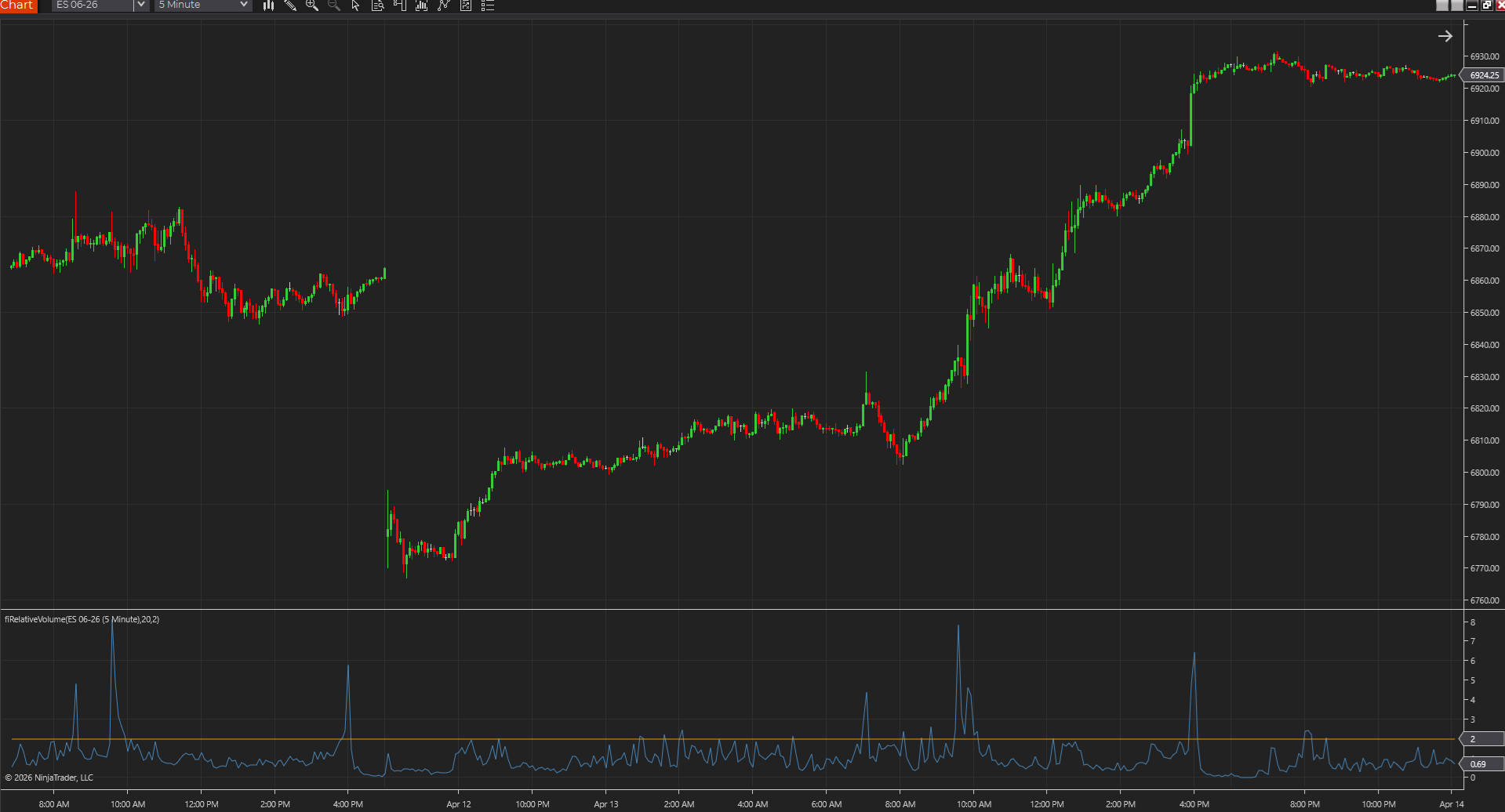
A breakout line only tells you where price moved. Relative volume adds the participation question: is the move happening with more activity than usual, or is it sliding through a level quietly?
Use it as confirmation, not as a permission slip
A higher relative-volume reading does not make every breakout good. It simply gives you more confidence that the market is actually paying attention to the move.
Location still does most of the heavy lifting
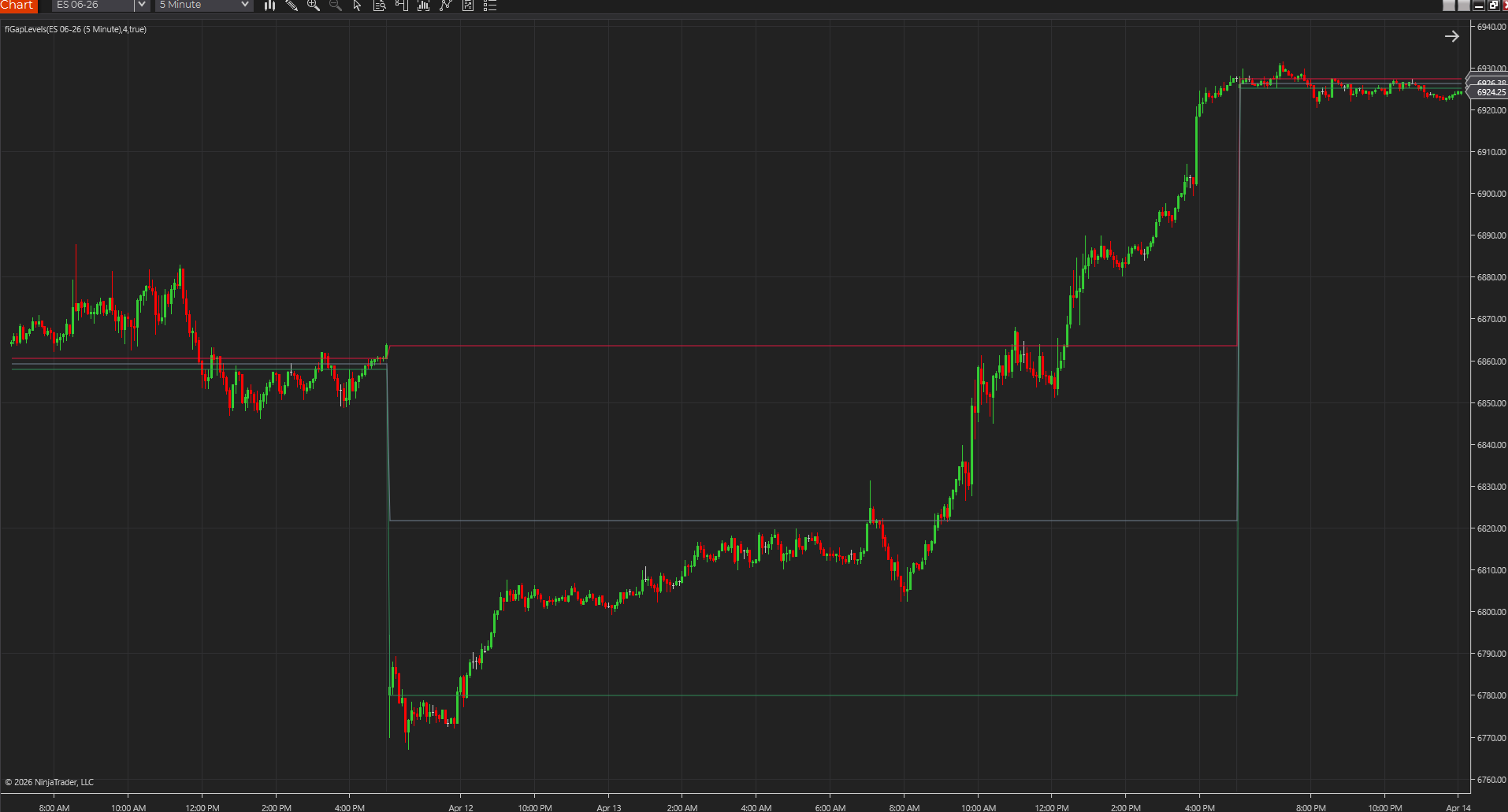
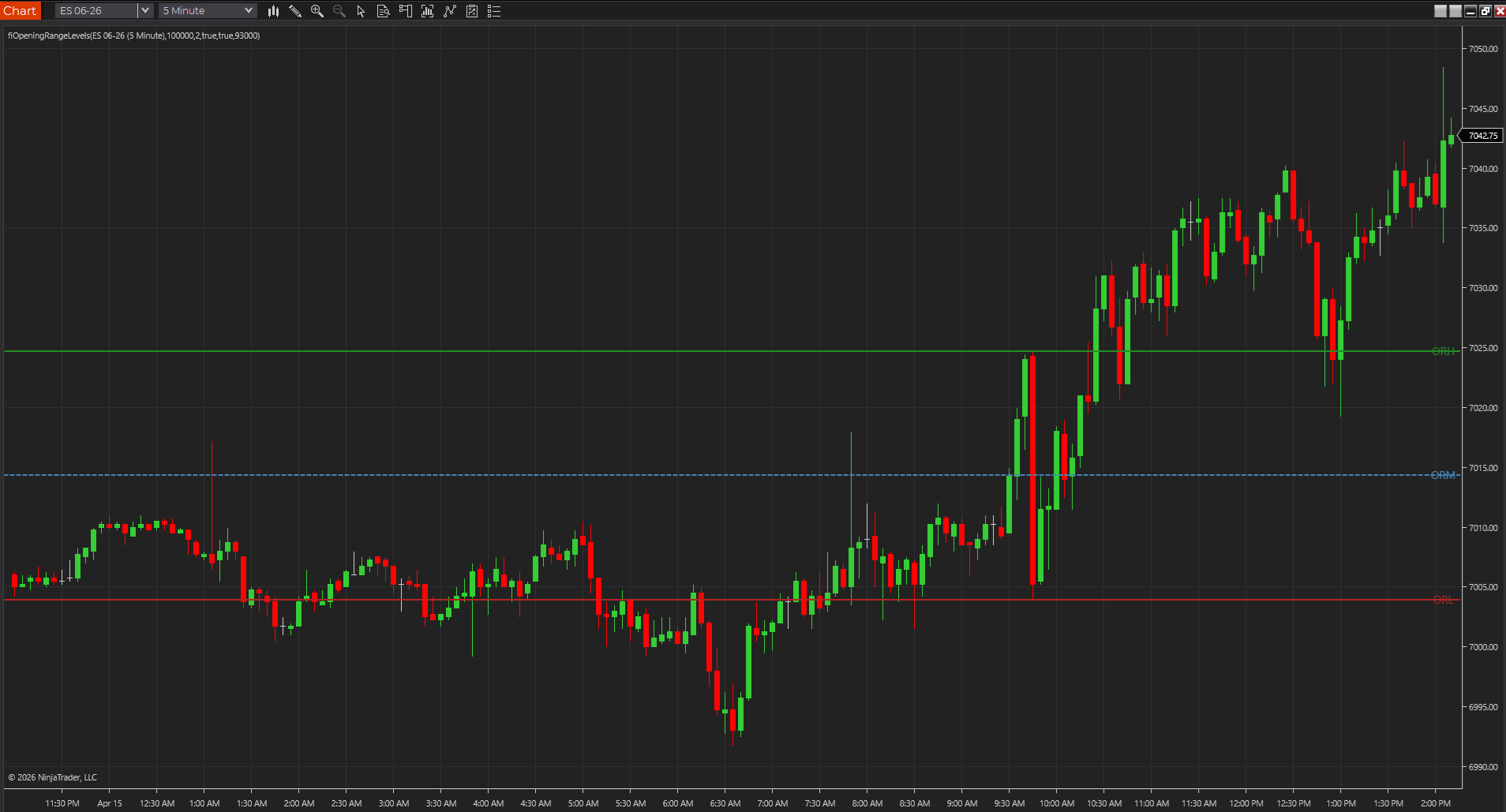
Relative volume matters most when the breakout is happening from a meaningful place, such as an opening range edge, a gap boundary, or an obvious structure level.
Best next reads
These pages pick up the questions most readers usually have next, so you do not have to back out and start a fresh search.