Guide walkthrough
Start reading here
This is the main article body, where the page shifts from summary cards into the actual workflow and decision-making notes.
On this page
Key terms for this guide
These glossary pages cover the ideas and platform language most likely to matter as you work through this guide.
Not all horizontal levels mean the same thing
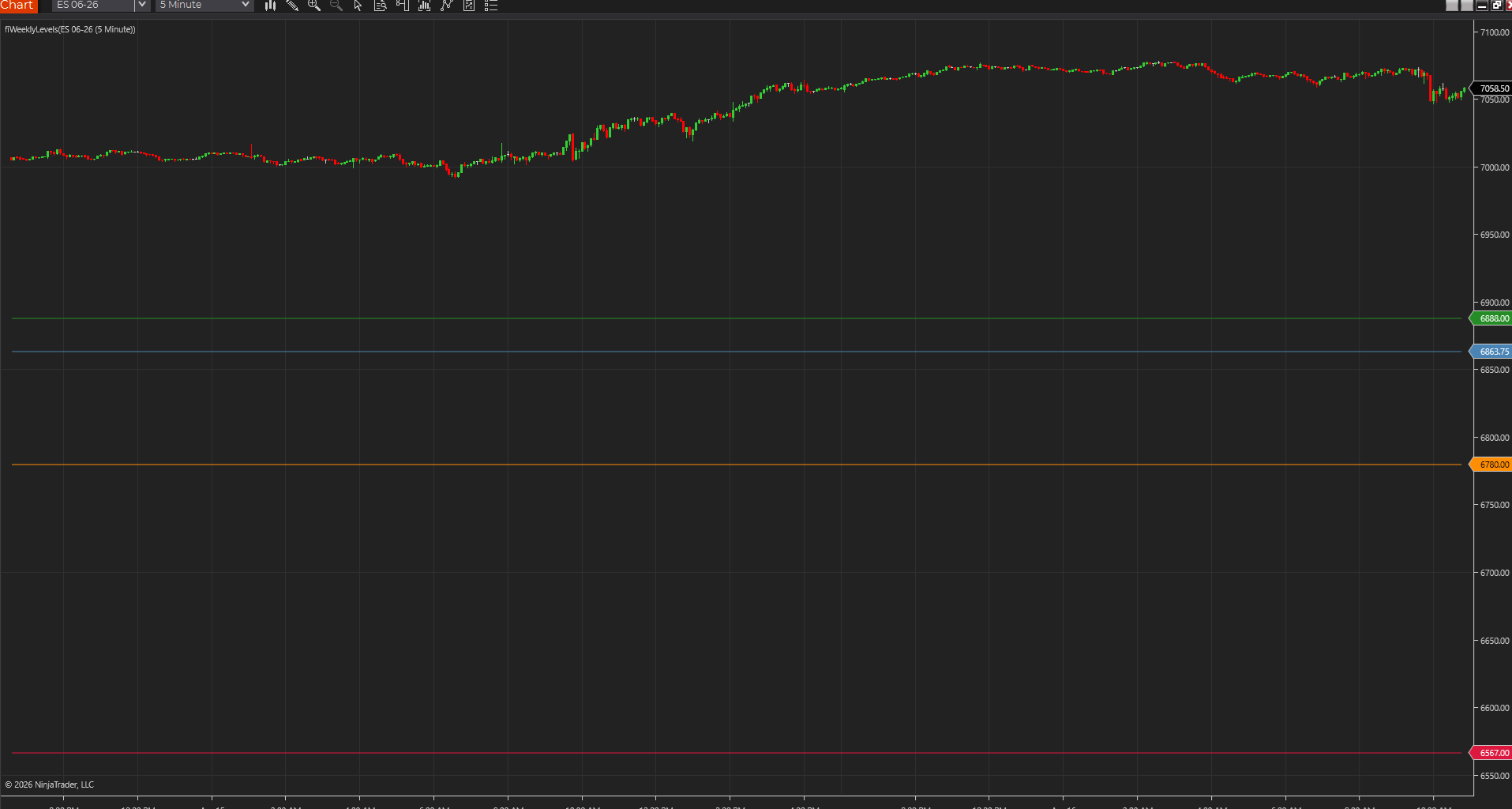
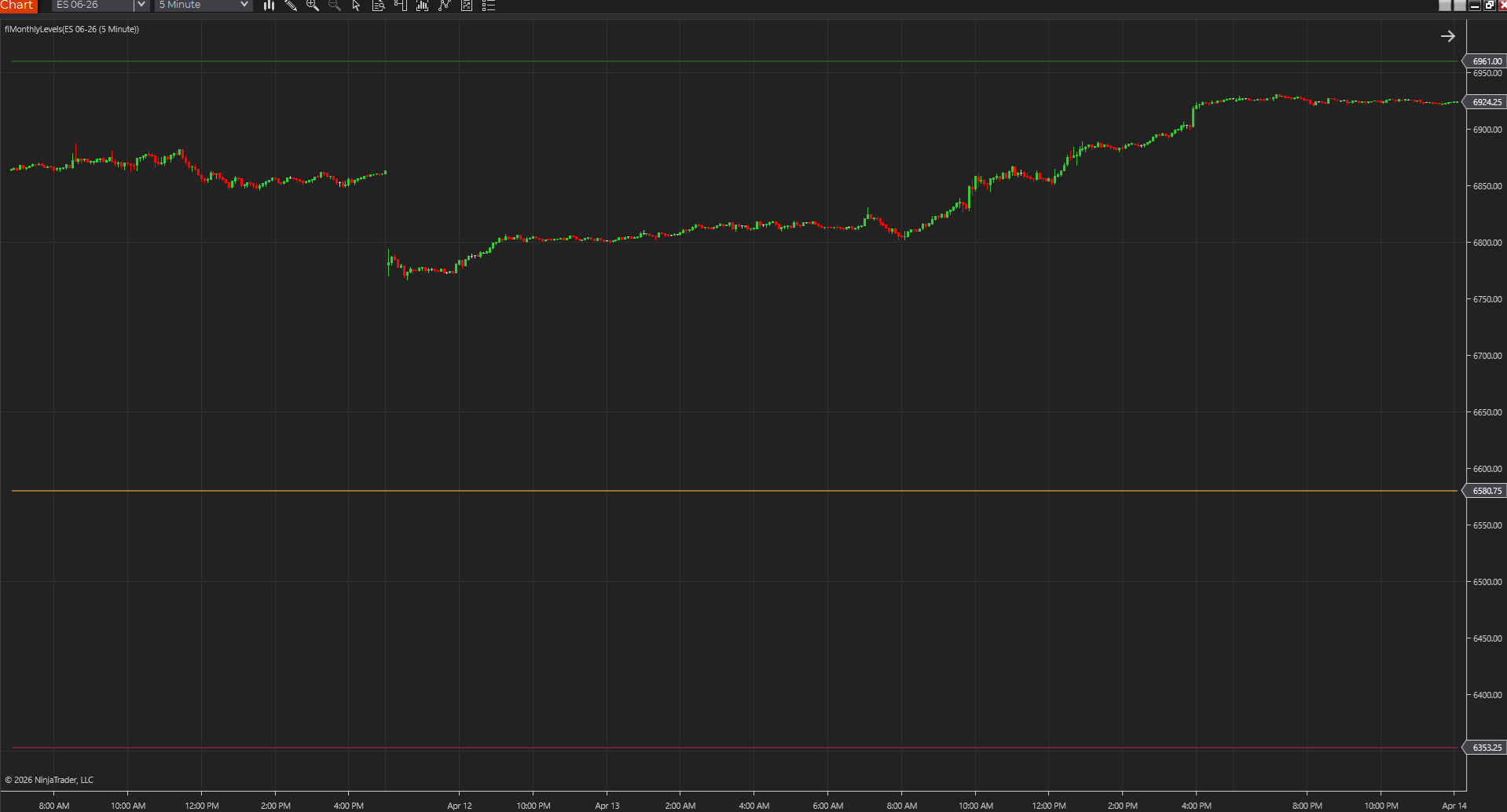
Support and resistance tools often look similar because they all draw lines, but they come from different logic. Some show literal session prices, some derive projected ladders, and some highlight psychological zones traders tend to notice.
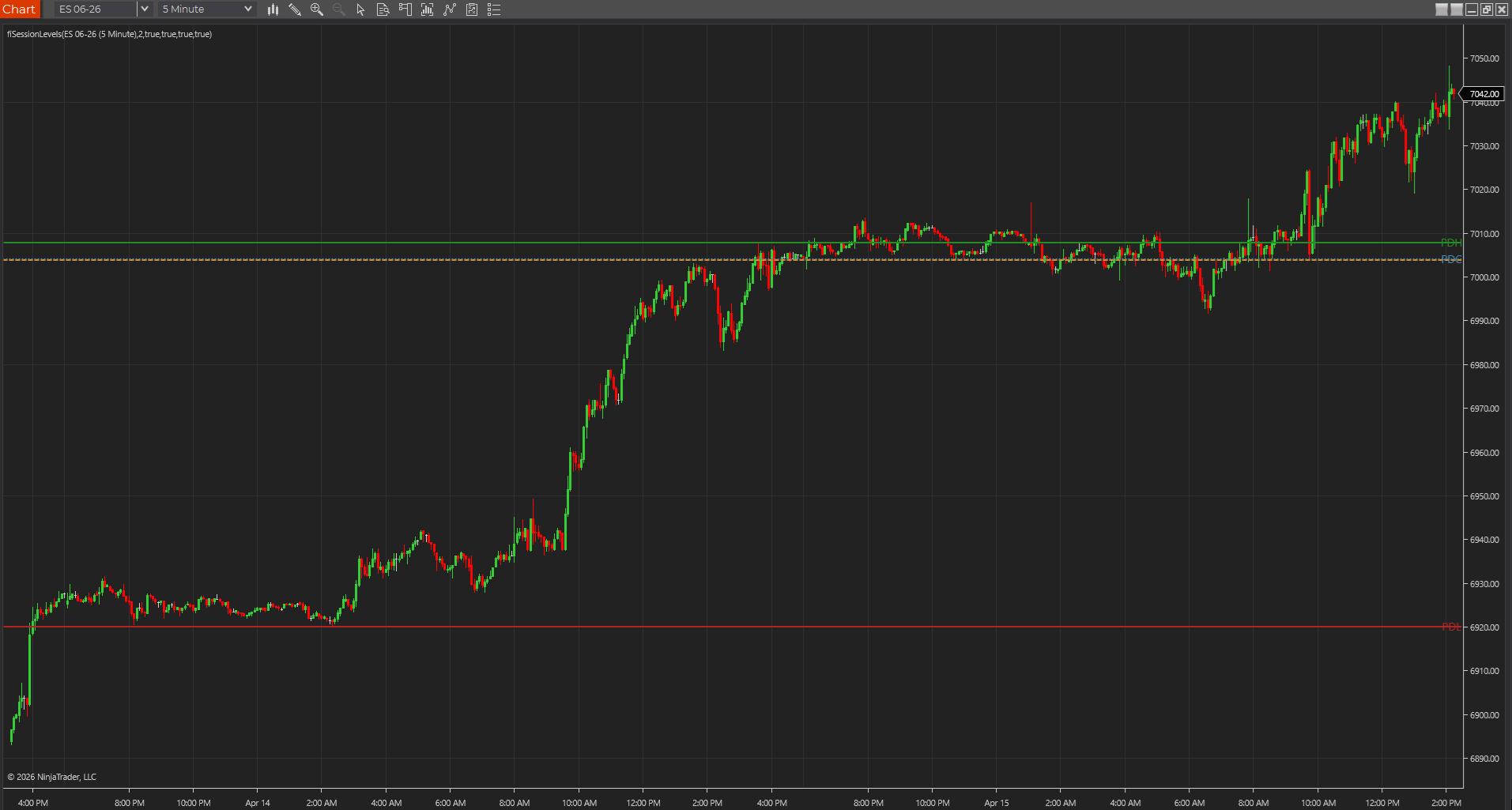
Use session levels when the real auction matters
Prior-session highs, lows, closes, and opens are useful when you want the actual prices that traders already saw and reacted to. These are often the cleanest reference points on an intraday chart.
Use pivots when you want a projected framework
Pivot studies create a repeatable ladder from prior-session data. They are helpful when you want a structured map for the current session instead of a smaller set of literal reference prices.
Use retracement tools for pullback structure
Fibonacci tools help when your question is not just where price traded, but where a move might retrace inside its recent swing. That is a different job from showing yesterday's high or a round number.
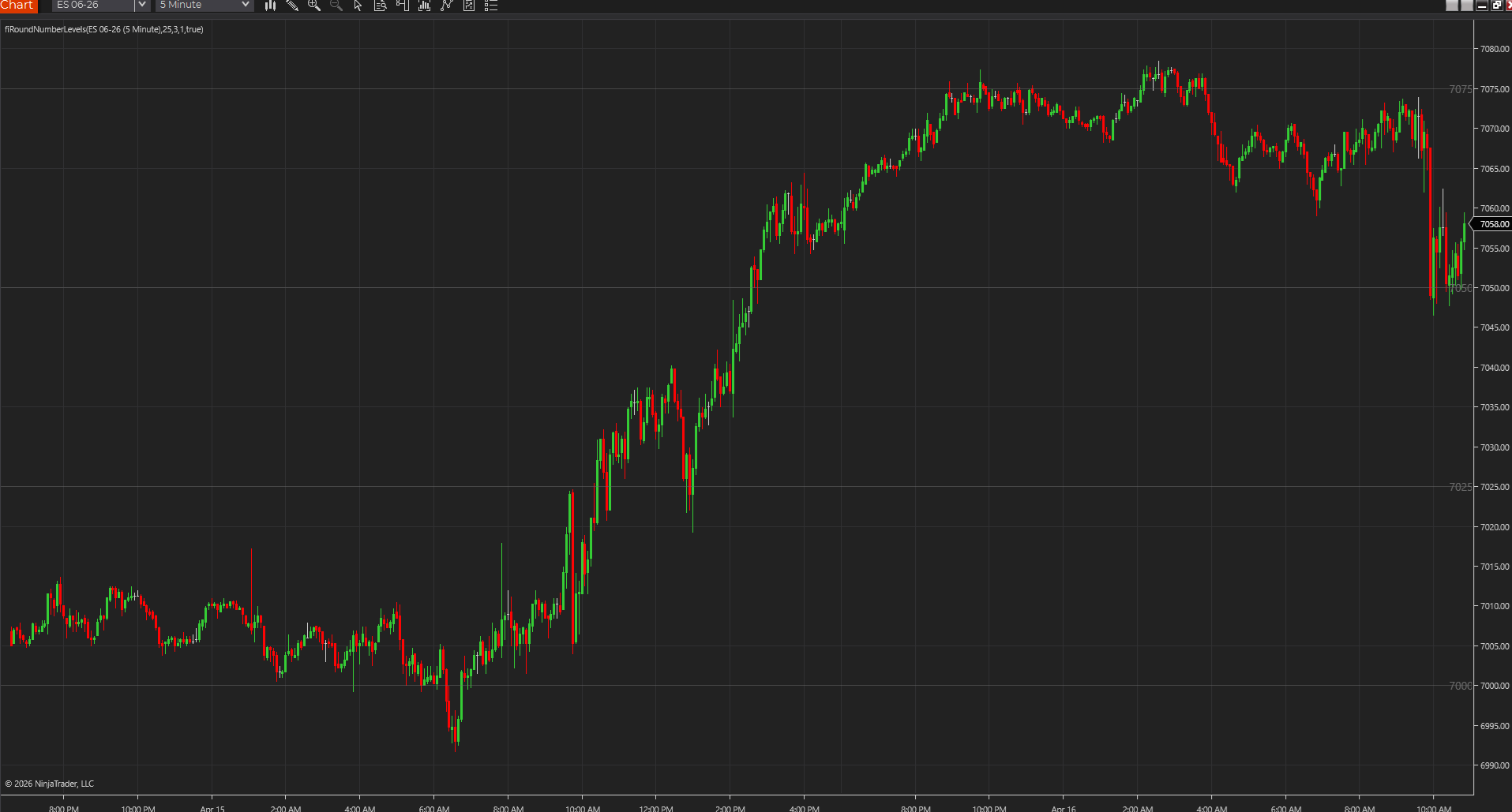
Use round numbers for psychological context
Round-number levels are simple, but they can matter because many traders notice and react to them. They are strongest when they overlap with session, pivot, or structure references instead of being treated like magic on their own.
Keep the map light enough to use
The fastest way to ruin a levels workflow is to load every possible horizontal reference at once. A smaller set of meaningful levels is usually more valuable than a screen full of candidates.
Best next reads
These pages pick up the questions most readers usually have next, so you do not have to back out and start a fresh search.
Frequently asked questions
Which support and resistance indicator should most traders start with?
For many intraday traders, session levels are the cleanest starting point because they show the actual prices price already traded at.
Are round numbers enough by themselves?
Usually no. They are better as supporting context, especially when they overlap with session levels, pivots, or recent structure.
Should pivots replace session highs and lows?
Not necessarily. They answer different questions, and many traders use one or the other depending on how literal or projected they want the map to be.