Guide walkthrough
Start reading here
This is the main article body, where the page shifts from summary cards into the actual workflow and decision-making notes.
On this page
Key terms for this guide
These glossary pages cover the ideas and platform language most likely to matter as you work through this guide.
Treat pivots as a framework, not as automatic entries
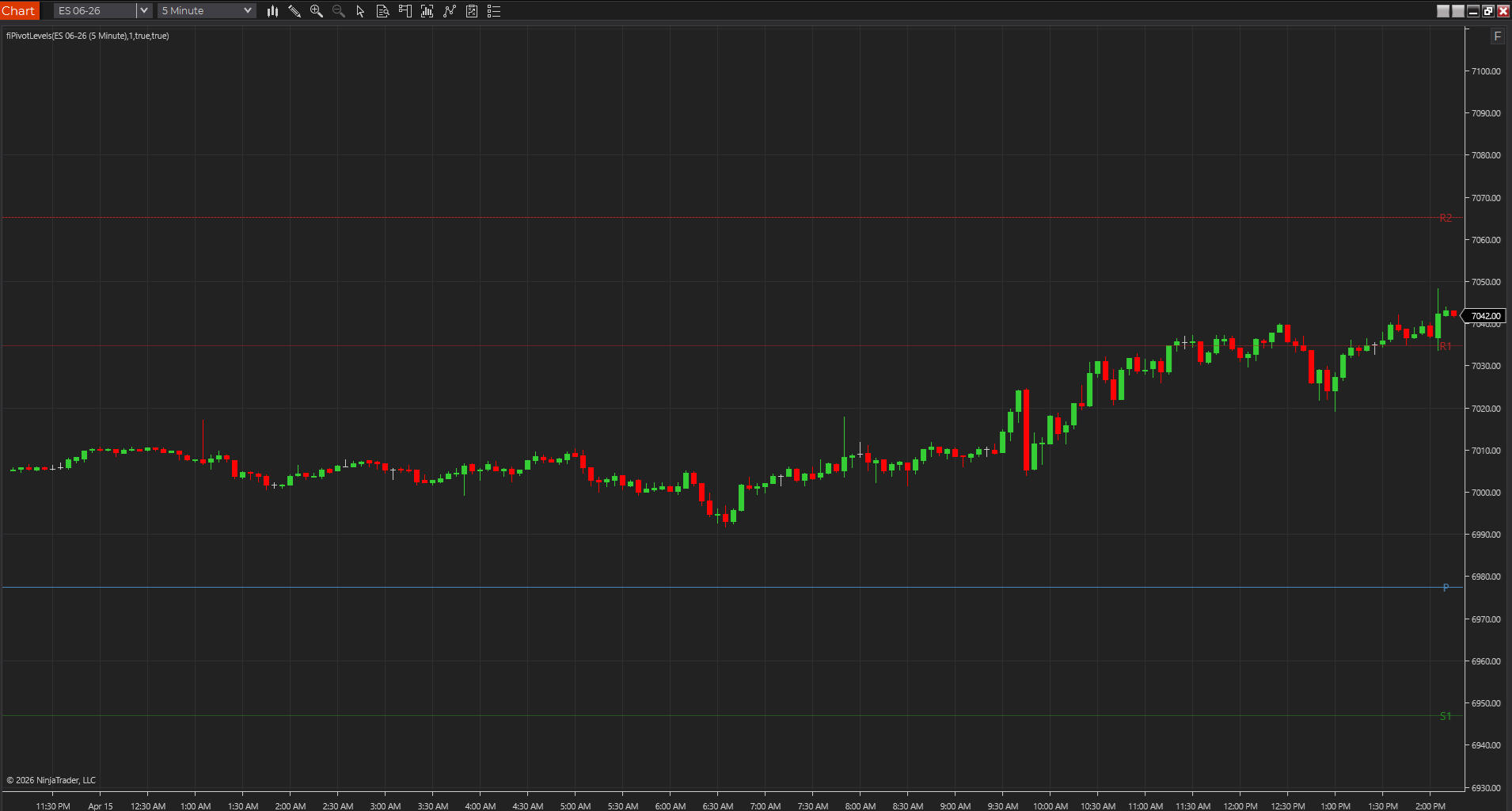
Classic pivot levels are useful because they create a repeatable map from prior-session data. That makes them strong orientation tools for futures traders, but not magic trade generators.
- A pivot line matters more when price is reaching it with clear structure or participation behind the move.
- Projected levels help you prepare the map before the session develops.
- They become much less useful when every touch is treated like a signal.
Know what pivots do better than raw session levels
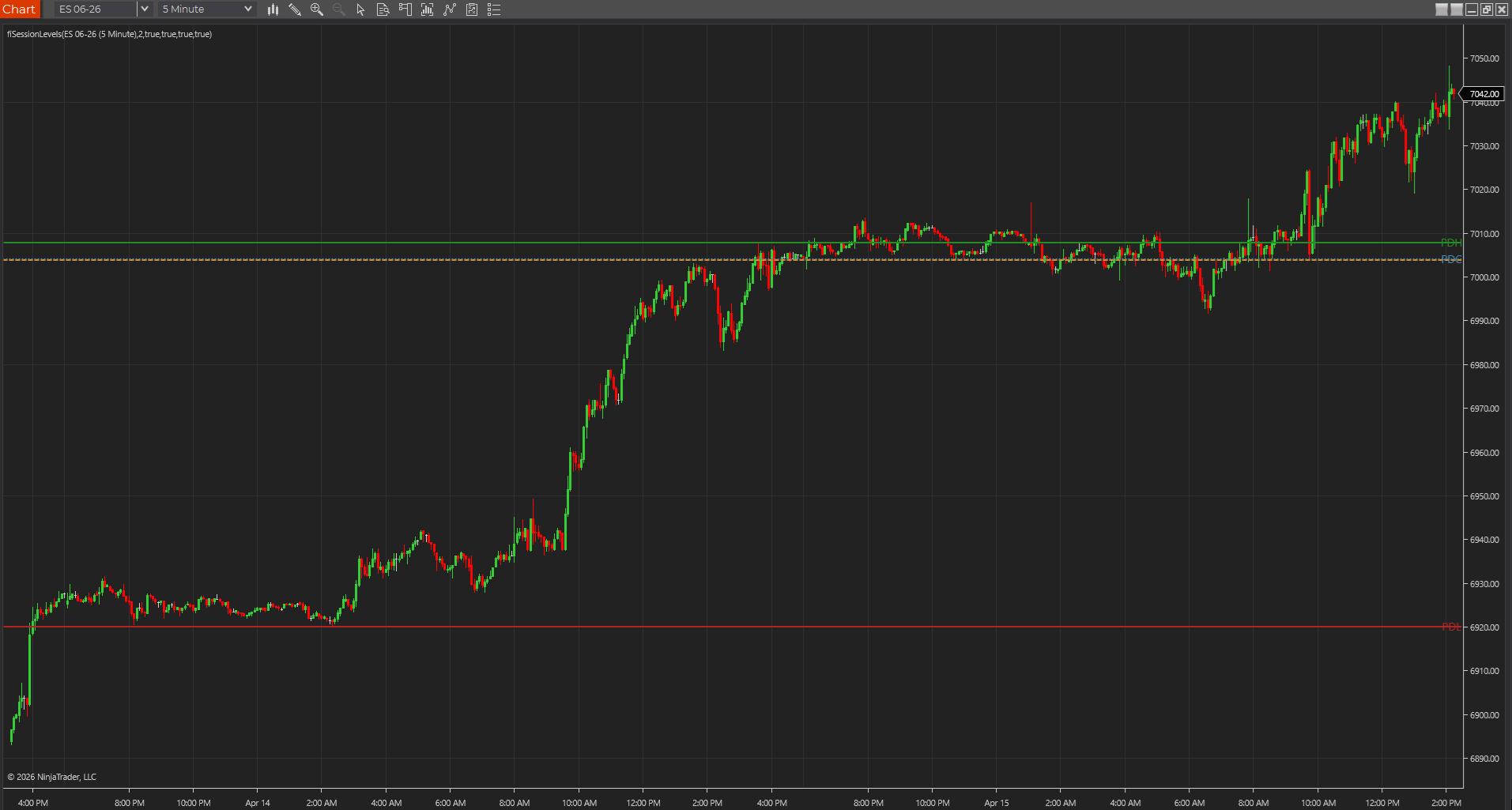
Session highs and lows show literal auction references. Pivots show a calculated ladder built to frame the next session. Futures traders often benefit from having both ideas available, but they should not confuse them.
- Use session levels when the exact prior prices matter most.
- Use pivots when you want a cleaner projected framework for the current day.
- The map gets better when you know which question each tool is answering.
Use pivots with overlap, not in isolation
A pivot becomes more interesting when it lines up with an opening range edge, prior-session level, round number, or VWAP interaction. Confluence matters more than the line existing by itself.
- Overlap creates context traders can actually use under pressure.
- A pivot floating alone in empty space deserves less weight.
- That is why pivots are usually supporting structure, not the whole workflow.
Keep the level count under control
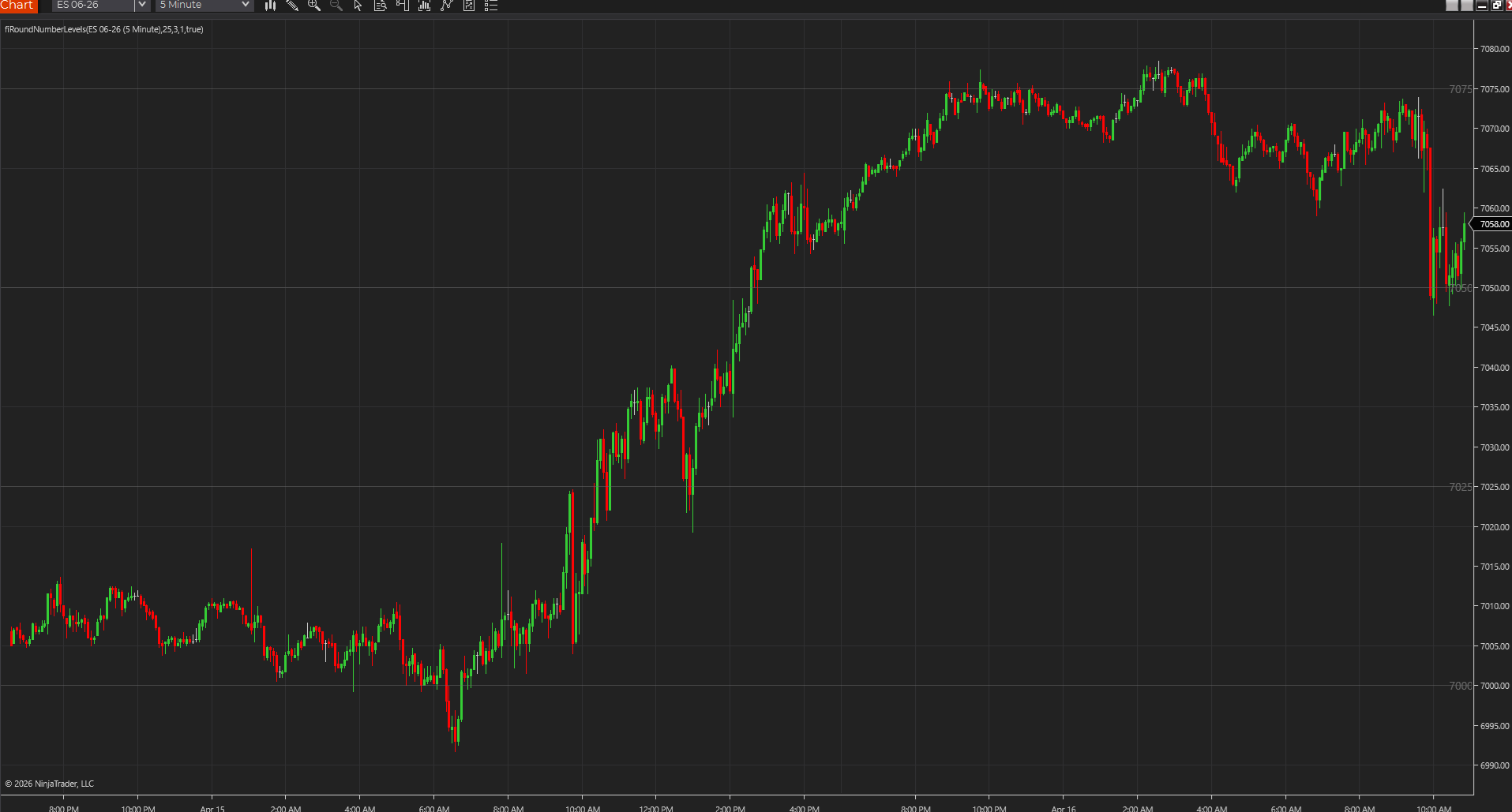
Futures charts get noisy fast when pivots, gaps, weekly levels, monthly levels, and round numbers are all loaded without a purpose. A small set of useful references is usually stronger than a perfect-looking wall of lines.
- If several lines are competing for attention, reduce the stack.
- Your chart should get easier to scan after pivots are added.
- If it gets slower to read, the framework is too heavy.
Best next reads
These pages pick up the questions most readers usually have next, so you do not have to back out and start a fresh search.
Frequently asked questions
What are classic pivot levels best for on futures charts?
They are best for giving the session a projected framework before price reaches important areas, especially when paired with other location or participation context.
Should pivot levels replace session highs and lows?
No. Pivot levels and session highs/lows answer different questions, so many traders benefit from using them together in a controlled way.
How many pivot references should be on the chart?
Usually only the levels that matter most to your workflow. If the chart becomes harder to scan, the stack is too dense.