Guide walkthrough
Start reading here
This is the main article body, where the page shifts from summary cards into the actual workflow and decision-making notes.
On this page
Key terms for this guide
These glossary pages cover the ideas and platform language most likely to matter as you work through this guide.
Start with a clean breakout frame
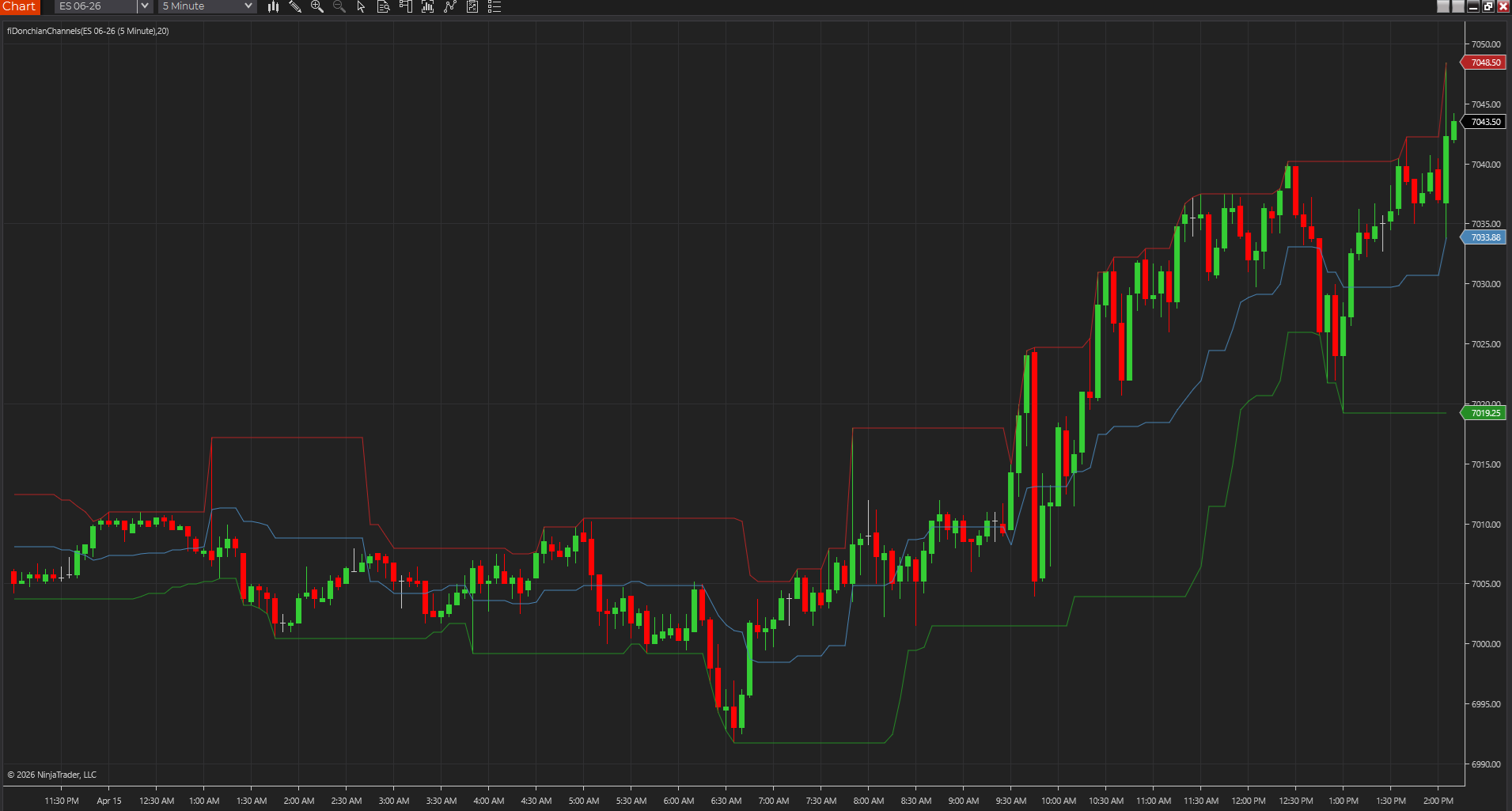
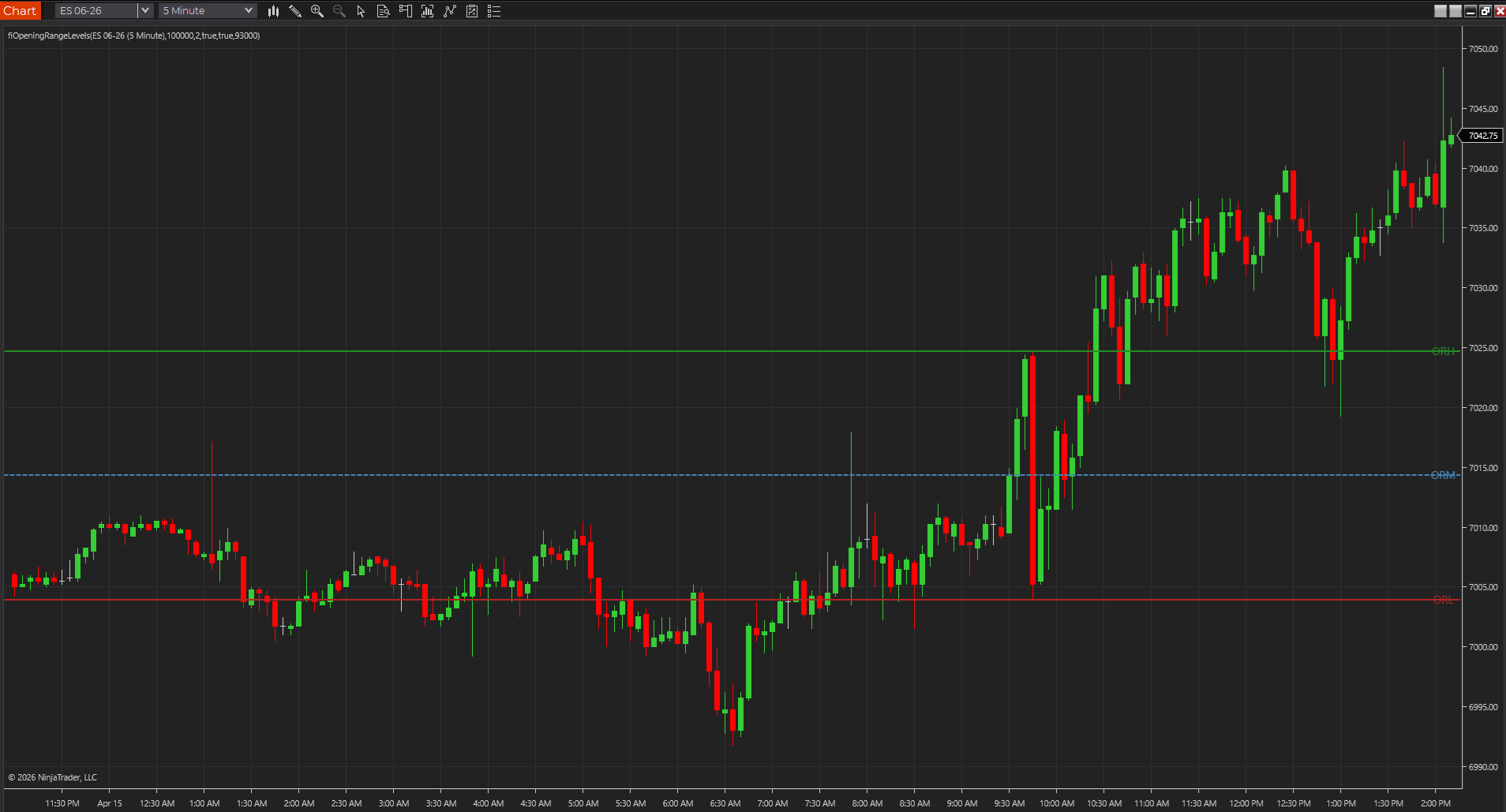
A breakout stack begins with a tool that defines where expansion actually matters. That could be an opening range, a Donchian channel, or another clean structural frame that makes the decision point obvious.
- Breakout tools are strongest when they define one meaningful edge.
- If the chart has too many candidate edges, confirmation gets muddy fast.
- Structure is the first filter, not the final answer.
Use participation as the second filter
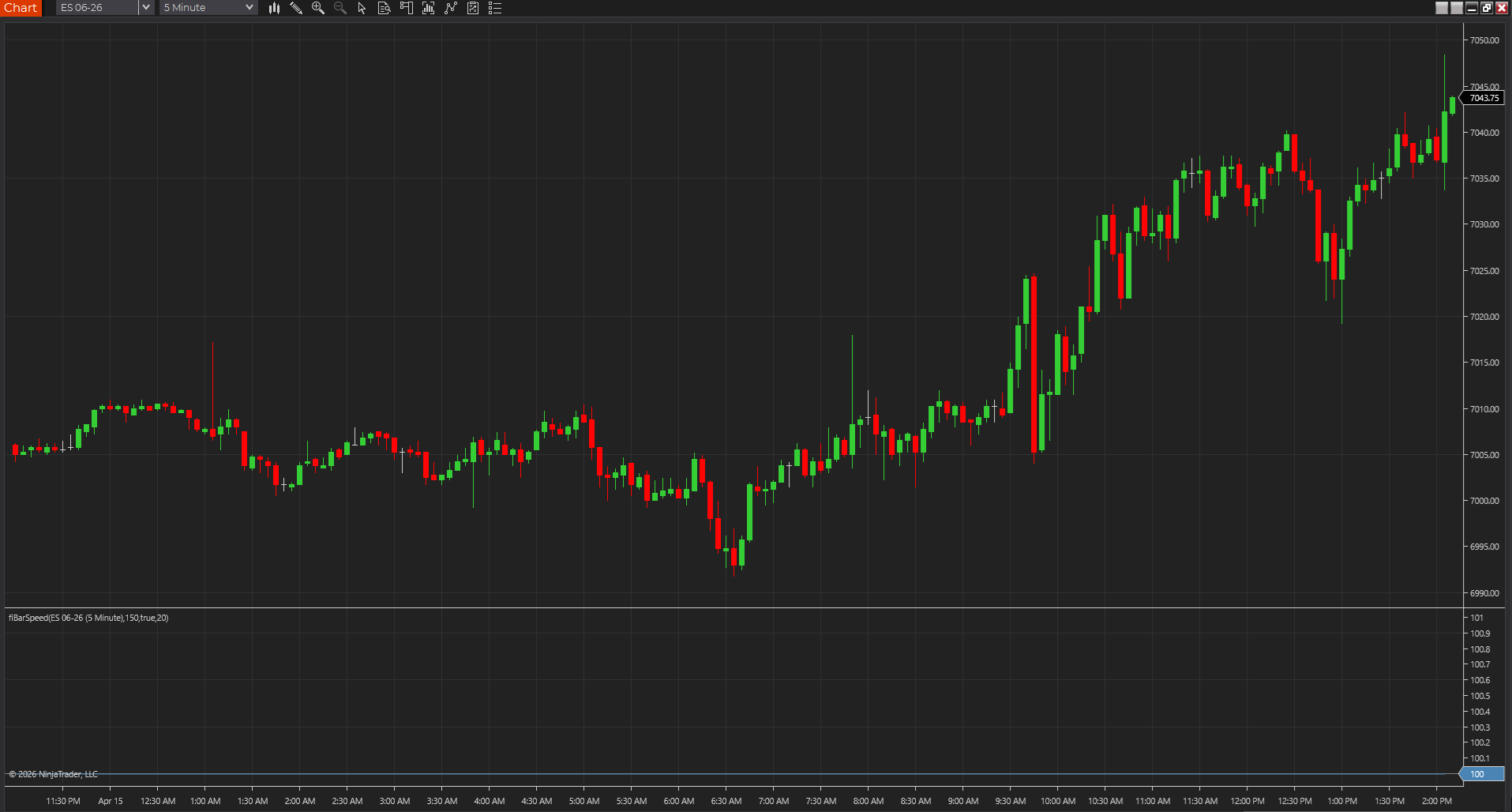
A breakout deserves more trust when participation expands along with price. That is why relative volume, bar speed, or a similar tempo layer often earns its place in a breakout stack.
- Participation tells you whether the breakout has real sponsorship.
- A quiet breakout can still work, but it deserves more caution.
- This is where the stack becomes more than a line on a chart.
Follow-through matters more than the first poke
A lot of traders overweight the first touch beyond the edge. A stronger breakout stack helps with the next question instead: is price holding, rotating, or failing after the initial move? That is often where the useful information lives.
- Breakout confirmation is about behavior after the push, not just the push itself.
- That is why the stack should stay readable after expansion begins.
- If the tool only helps for one bar, it probably is not enough.
Replay the stack on both clean wins and failed breaks
A breakout stack should earn trust on failure days as much as on clean trend days. Replay is useful here because it exposes whether the stack helps you stay out of weak breakouts instead of only celebrating the obvious good ones.
- Failed breaks are where weak stacks reveal themselves fastest.
- The best confirmation stack filters more noise than it predicts perfection.
- That is the standard worth testing against.
A confirmation stack should slow you down slightly before it speeds you up
This is one of the healthiest signs that the stack is doing its job. Good breakout confirmation tools usually add a small pause at the edge because they force the trader to check structure and participation before chasing the move. After that pause, they should make the decision cleaner. If the stack only creates urgency and never improves selectivity, it is probably just dressing up impulsive trading.
- Useful confirmation often creates a short quality-control pause.
- The stack should make better breakouts easier to trust, not every breakout harder to resist.
- Selectivity is a better success metric than constant excitement.
Best next reads
These pages pick up the questions most readers usually have next, so you do not have to back out and start a fresh search.
Frequently asked questions
What is the core of a breakout confirmation stack?
Usually one clean structural edge and one participation layer. That combination tends to be more useful than several overlapping breakout markers.
Should breakout traders use VWAP too?
Sometimes, especially if fair value or session context matters to the read, but the stack should stay focused on breakout structure first.
What usually makes a breakout confirmation stack too heavy?
Adding multiple layers that all try to confirm the same thing at once. When several tools are repeating the same participation or expansion story, the stack gets noisier without becoming more trustworthy.